Saturday, September 6, 2014

Country Profiles: Bolivia

I'm finally getting back to writing profiles on the countries where Compassion works! Here's the newest installment!


The flag of Bolivia. According to some sources, the red represents Bolivia's brave soldiers, the yellow stands for the country's mineral deposits, and the green for fertility. The coat of arms also includes an Andean condor. 


The Land:

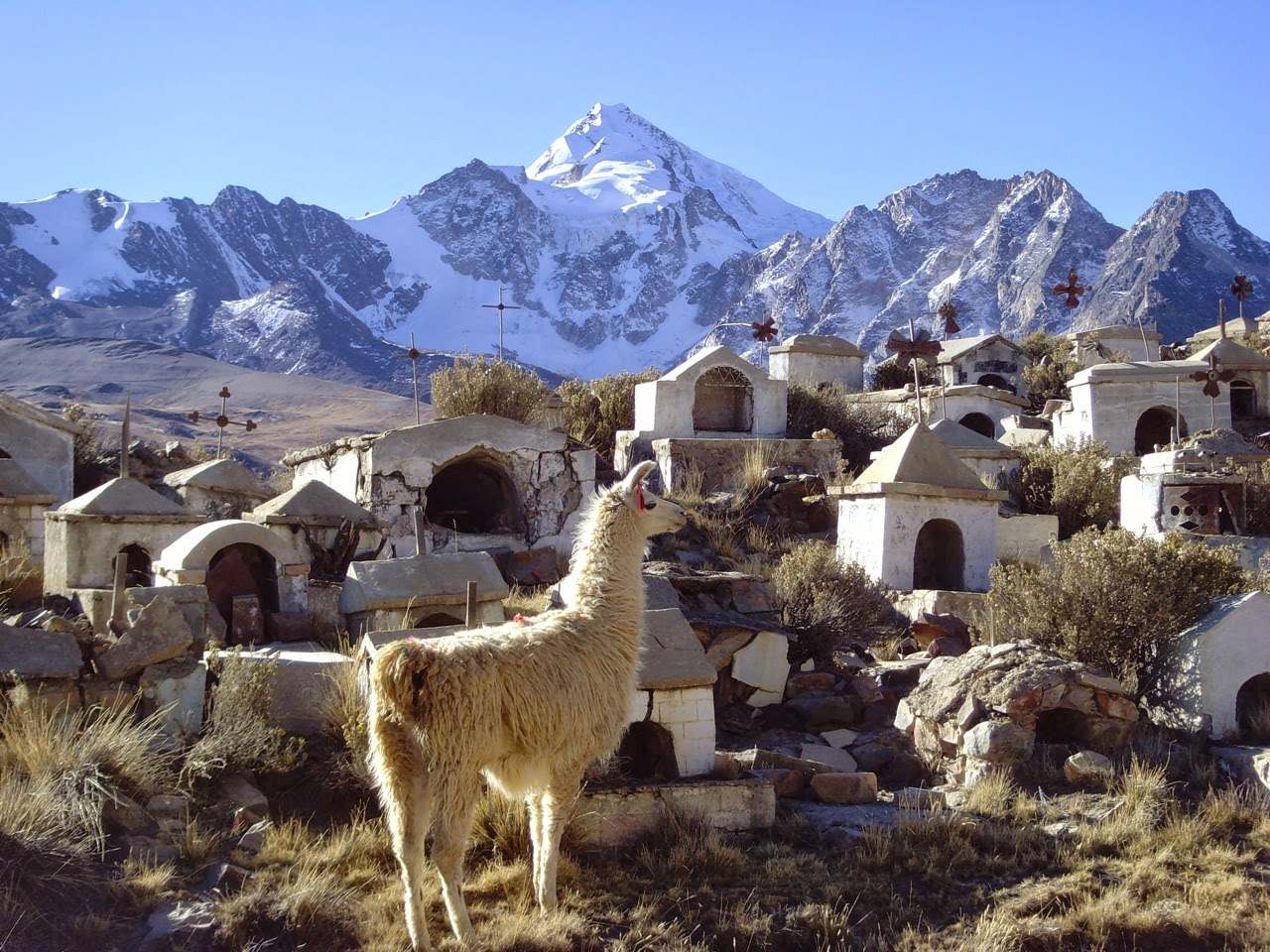
Bolivia is a land-locked country in the "heart" of South America. It's almost the same size as Egypt, or three times the state of Montana! There are five distinct types of geographical areas in Bolivia- Altiplano to the west, which is high, cold, and bordered by mountains; Las Yungas, a region of valleys; the central highlands, where much of the country's agricultural efforts are located; a subtropical plain called Gran Chaco, which is shared with Argentina and Paraguay; and the tropical, forested lowlands called the llanos. This area is particularly good for cattle ranching, as there are many grasslands and the climate is more suitable for livestock than the higher elevations. About half of Bolivia is covered with forests. One of the most well known geographical features of Bolivia are the Andes mountains, which run throughout the country from north to south. They rise to over 21,1000 feet above sea level, and everything above 16,000 feet is covered with snow. The country is also home to Lake Titicaca, which is the highest navigable body of water in the world- meaning, it's at a very high elevation (12,500 feet above sea level) and you can still paddle a boat around in there. Bolivia has two main seasons: summer runs from November to April, and is considered the rainy season. Winter is from June to September.


Population:

Bolivia is home to almost 11 million people. More than half of them are of indigenous ancestry. The largest groups of people with indigenous heritage are the Quechua, Aymara, Guaraní, Mojeño, Chimane, and other smaller groups. About 30% of the population are criollo, who are of mixed indigenous and European heritage. Quechua Indians live throughout the country, but the highest numbers are near Cochabamba and Sucre. The Aymara Indians mostly live in the Altiplano. The largest cities are La Paz and Santa Cruz, with about a million inhabitants each.


Language:

There are 37 official languages in Bolivia! The most common languages are Spanish, Quechua, and Aymara. Spanish is used by government officials, in the schools, in business, and is the native language of over half the population. Most Bolivians speak at least some Quechua. Indigenous groups each have their own languages, but the most common ones often have many Spanish words mixed in.


Religion:

There is no official state religion in Bolivia. The vast majority of the population identifies as Roman Catholic. There are also some indigenous belief systems, and the Protestant minority are active throughout the country. Bolivians living in the Altiplano region often mix their Aymaran and Quechuan traditions with Catholic beliefs. For example, practicing Catholics revere Pachamama, or the goddess Mother Earth, and they toast to her and bless things in her name. People may also offer blessings of material possessions or events in the names of Pachamama and Achachila, a god of the mountains. Some Bolivians honor Catholic traditions, such as Carnaval, by praying to these gods and Mary and other saints at the same time.


The People:

Unfortunately, there is a cultural divide between the upper classes in Bolivia and the indigenous groups. Sometimes indigenous people adopt Spanish names and change their traditional way of dress in order to assimilate to society and be more accepted. There are political movements driven by indigenous groups looking to ensure that benefits of the government are available to all people without requiring them to abandon their heritage and cultural traditions. 


Bolivians dress differently depending on where they live and their social class. Usually, urban Bolivians wear Western-style clothing. Wearing clean shoes is very important to Bolivians. Many women living in the Altiplano region wear a pollera, which is a full, colorful skirt with several embroidered underskirts. Rural women wear a pollera with a manta, or shawl. They also often wear their hair in braids under bowler derby hats, bonnets, or stovepipe-style hats, depending on their region. Some indigenous people make their clothing out of wool. These clothes are often red, black, and off-white. Native men may wear shin-length pants and a shirt wit ha thick belt. They often wear ponchos and hats, as well. 


Sometimes, Bolivians use body language rather than verbal language to communicate. For example, to beckon a child, one would wave your fingers with the palm down. If you extend your raised hand, palm outward and fingers extended, and twist it quickly from side to side, you are saying "no" or "there isn't any"- this gesture may be used by bus drivers to say that there isn't any more room in their vehicle. Avoiding eye contact when speaking to people indicates suspicion and lack of trust. When greeting someone in Bolivia, offering your hand for a handshake is expected. If your hand is wet or dirty, you may extend your arm or elbow instead. Bolivians enjoy visiting each other, whether the visit was arranged in advance or not. Urban visitors usually bring a small gift for their host, such as flowers. Hosts might also give gifts to their visitors, but the visitor should not open the gift during the visit. If you compliment your host on a meal while you are eating, expect a second helping! If you are feeling full, it is best to wait until after a meal to offer your compliments. 


Family: 

Family life is very important to Bolivians. On average, middle- and upper-class families usually have 1-2 children. Rural families have many children, but the infant mortality rate is rather high. Children in Bolivian families are well-disciplined and have many family responsibilities. The oldest daughter in a family is often called mamita (little mom) and are looked upon as second mothers to their younger siblings. Boys begin to help their fathers with farming as young as age 8, and are generally able to be self-sufficient by the time they're teenagers. Girls grow up learning to raise children and do domestic tasks like cooking and washing clothes. Children are taught that education is important, but among poor families, literacy rates are very low.


Living: 

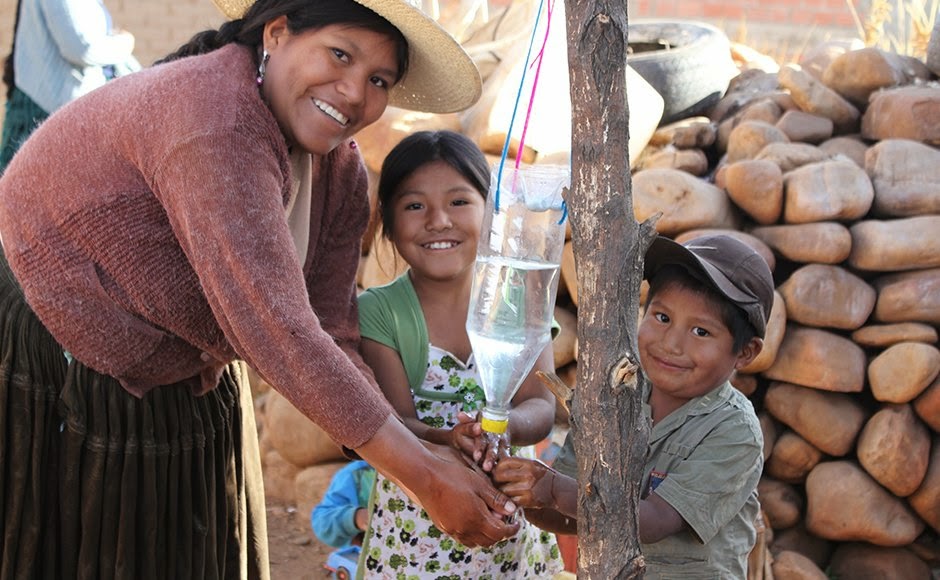
Typical rural homes are made from local materials like adobe bricks, wooden boards, rocks and mud. The floor and walls are usually dirt, and roofs are often made of straw and wood. Families often sleep on the floor, using dried sheepskin and woven blankets for bedding. If a family owns a bed, they may all sleep in it. Families usually have free-standing kitchens, open on the sides and covered by a straw roof. Most rural homes have electricity, but the majority do not have indoor plumbing. Bolivians conserve water by using the same water for washing, watering plants, cooking, and laundry. In some communities, modern construction is becoming more common. Homes are being built with cement-covered walls, corrugated metal roofs, and tiled floors. Urban homes are likely to have running water, but many lack heating and air conditioning. Often, these homes are built with large windows or skylights to help warm the homes.


Because the children grow up quickly, learning the responsibilities of running a home and tending the fields, Bolivians often marry and start having children young. The average marrying age for a rural couple may be between 16 and 17. Friendship comes before dating for young Bolivian couples. In urban areas, dating starts around age 13. Teenagers who are dating like to take long walks around their town, whether as individual couples or as large groups. Some marriages are arranged in rural parts of Bolivia. These marriages are between their own children and the children of their friends, and the goal is to strengthen ties between friendly families. Couples usually wait until they have some financial security or own property to get married. Because weddings are expensive, rural families often choose common-law marriages rather than traditional marriages. Bolivians wear their wedding rings on their right hands, rather than the left. For a marriage to be legal, a civil ceremony must be performed. Most couples also have a religious ceremony, and that is often followed by a dance and reception. One fun wedding tradition for some Bolivians is to bring presents to the wedding reception. While the bride and groom are dancing, friends and family get close and pin money to their clothes. The day after the wedding, the couple opens the gifts. If the total of the gifts is an odd number, the person counting the gifts has to buy a gift for the couple that has not yet been given. Sometimes, friends and family may even take out a loan to buy gifts for newlyweds!


A mass wedding of over 300 couples in Bolivia


Food: 

Common staples of the Bolivian diet include potatoes, rice, fruits, and soups. Quinoa is grown in Bolivia and is used in many dishes. Starchy foods vary by region in the country. In the lowlands, yucca is most popular. Corn is prevalent in the valleys. Potatoes are eaten every day in the Altiplano. Bolivia has hundreds of varieties of potatoes, and they are eaten many different ways! Chuños are freeze dried and used in soups or side dishes after being dehydrated. Many Bolivian dishes are seasoned with a spicy salsa called llajua. Chicken is the most common meat. Southern Bolivians eat a lot of beef, and they enjoy having barbecues. A common Bolivian breakfast includes coffee or tea, bread, and sometimes cheese. In rural areas, a hot drink called api is sometimes served with breakfast. It's made of corn spiced with sugar and cinnamon. Lunch is the main meal and usually includes soup and a main dish. Bolivian families prefer to eat their meals together. They usually have one large and two small meals every day. Rural families might eat four small meals. Everyone, including guests, is expected to clear their plates. By not eating all the food on your plate, you are essentially telling the cook that the food was not good. People eat meat with utensils rather than your hands. Diners are expected to stay at the table until everyone is finished eating.


Api is a drink made from purple corn! 


Recreation:

Futbol is the national sport. Children will use almost anything for a ball, including rocks and crumpled paper. Volleyball, basketball, and indoor soccer are also fairly popular. Leisure activities include watching television in urban areas. Bolivians also enjoy visiting with friends and attending festivals. The center of town, or the plaza, is considered the main spot for recreation. Some cities have arcades with electronic games. Home internet service is terribly expensive throughout the country, so internet cafes are popular in urban areas. There is a cafe every block in downtown areas of cities! Movie theaters are also popular in bigger cities like Santa Cruz, Cochabamba and La Paz. During vacation times, many Bolivians travel to holy places or visit relatives in other parts of the country. 

Many of Bolivia's cultural traditions have roots in ancient, pre-Inca civilizations. Bolivian textiles have changed very little from these ancient roots, and they use the same dyes and patterns that have been used for centuries. Since colonial times, silver and gold have been used to adorn architecture, jewelry, and other beautiful objects. Basket weaving and wood carving are also popular in some rural regions. Music is very important to Bolivian culture. There are three types of Bolivian music: the fast, happy rhythms in the east; slow, melancholic rhythms from the Andes, and happy, romantic rhythms from the central valleys. Many people are able to recognize music as being Bolivian by the instruments: panpipes (zampoña), vertical flutes, percussion instruments, and the charango, which is like a guitar made from an armadillo shell. 


Holidays: 

Most Bolivian holidays have fixed dates, but are often moved to the day closest to the weekend. The three most important holidays are Independence Day, Carnaval, and Holy Week before Easter. Bolivians also celebrate New Year's Day, Sea Day (Dia del Mar, in March), Father's Day, Labor Day, Mother's Day, All Saint's Day and Christmas. On Christmas Eve, some children place old shoes in the windows for Papa Noel to take in exchange for gifts. Children also receive gifts on Three Kings Day in January.


A Carnaval celebration in Bolivia


Health: 

Sanitation facilities in Bolivia are poor, which leads to contaminated water. Water issues lead to cholera, hepatitis, yellow fever, malaria, and other serious conditions. Tap water must be boiled before using, but wood and gasoline are scarce and expensive. Many rural areas have neither running water nor electricity. Local nurses and doctors have been working to train community healthcare workers in basic skills. This leads to increased health awareness and more help to assist the rural population. Infant mortality is high, and only about half the population has adequate access to medical care. Traditional medicine is still used in many rural regions.


Education:

Schooling is compulsory for Bolivian children aged 5 to 18. There are four educational levels: kindergarten, primary school, secondary school, and higher education. School conditions are poor. Most schools are public, but wealthy families may send their children to parochial or private schools. Less than half of all Bolivian children complete secondary education. Bolivian families are responsible for buying their own univorms and school supplies. Recent educational reform requires that schools teach both Spanish and indigenous languages. Illiteracy is declining, but it is still a major problem for the country due to strikes, long distances to travel to school, and familial responsibilities. Technology is rarely used in Bolivian classrooms, and teachers use traditional methods with blackboards and workbooks. The workbooks are expected to be kept clean and updated. If a student passes all the exams and knows the subject very well, he may fail the year if he doesn't turn in an updated workbook. Students in their final year of secondary school might attend classes at the same time as serving in the military. Entrance exams are required at Bolivia's university. There is a public university in every Bolivian state. Higher education usually lasts 5 years. Postgraduate courses are available, but most students do not pursue them.


Bible Verse: 

"Taita Diosca cai pachapi causajcunata yallitaj c'uyashpami, Paipaj shujlla Churita curca. Pipish Paita crijca ama chingarichun, ashtahuanpish huiñai causaita charichunmi Paita curca." Juan 3:16 (Quechua, via Bible Gateway)


From Compassion's website: 

"Compassion's work in Bolivia began in 1975. Currently, more than 66,500 children participate in more than 200 child development centers. Compassion partners with churches to help them provide Bolivian children with the opportunity to rise above their circumstances and become all God has created them to be."

There are many children in Bolivia who are waiting for sponsors! Here are just a few. 


David is 1 year old and his birthday is April 8. 


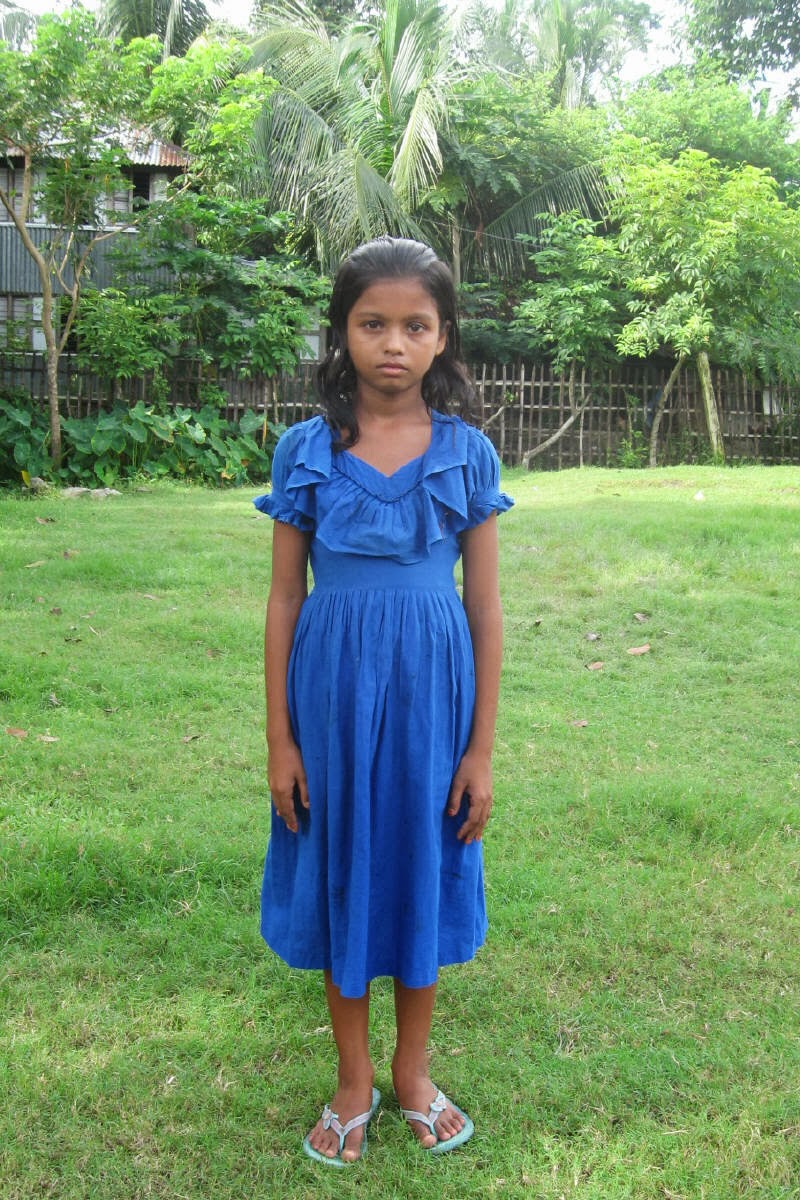
Eddyt is 7 years old and her birthday is April 6.


Heber is 18 years old and his birthday is January 15. He is giving a thumbs up! 


Waiting Kids

It's been a while since I've done a post of waiting kids! All of these children attend centers where our kids (or my mom's kids) attend. 


Delon lives in Indonesia. He is 9 years old and his birthday is November 2. He attends the same project as our Tasya. This project is in a very remote area and it can take a while for letters to arrive, but the center is really great and the kids have so many activities and opportunities! 


Amani lives in Tanzania. He's 17 years old and his birthday is November 4. He is one of 8 children! He attends the same center as our Bonifas. We receive frequent letters from Bonifas and they usually arrive every 6-8 weeks, 


Stiven lives in Ecuador. He is 4 years old and his birthday is October 19. He attends the same center as our Erick. We have only received one letter so far from Erick, but it arrived within two months of receiving him as a correspondence kid, which is pretty fast! 


Peterly lives in Haiti. He is 7 years old and his birthday is June 24. His performance in school is above average! He attends the same center as our Kevenel. 


Amelly lives in Honduras. She is 5 years old and her birthday is November 30. She attends the same center as our Eduardo. 


Mary Wambui lives in Kenya. She is 18 years old and her birthday is March 16. She attends the same center as our Mary, and since they are the same age, there is a chance that they are friends! Mary's center is incredible. We have received two photo updates and two extra photos in the almost two years we've had her as a correspondent. They send out letters every two months, and they are bringing up some incredible young people over there. Mary has wonderful things to say about her project, and she is such a wonderful young woman!


Dagan lives in Togo. She is 4 years old and her birthday is October 27. She attends the same center as my mom's little girl Jaki. 


Roxana lives in Bolivia. She is 17 years old and her birthday is July 9. She attends the same center as my mom's correspondence child Herlan. Herlan's first letter arrived not too long after she got him, so that's a good sign!


Friday, September 5, 2014

Haiti Haiti Haiti

Yay! I am doing another ornament fundraiser through ApParent Project and Market Haiti! In order to avoid confusion, I have created a page at the top of my blog called My Fundraisers. You can also click the link here if you are viewing this post through a feed.

I only have these items for sale until October 7th! Please be praying that I sell everything that was sent to me- if I am able to sell it all at the suggested price, that's $800 for the moms and dads in Haiti, and $800 toward my next trip- which, if everything works out, will hopefully be to Haiti as well!!!!!!


Sunday, August 31, 2014

Compassion Joys: August

My favorite part of the month is the end of the month- I get to share my Compassion blessings with you, and I love reading other people's posts as well!


 Compassion Family


Letters!

This month we received six letters- most of them arrived at the beginning of the month. We heard from Bonifas (Tanzania), Jayid (India) and Patricia (Brazil), plus we got first letters from Erick (Ecuador), Eduardo (Honduras) and Sharifa (Bangladesh!) It was very exciting to receive so many first letters this month- it definitely shrank our list of kids we are waiting to hear from!

Photos!

A special treat this month was receiving an extra photo from Eduardo in Honduras. He is posing with the gifts he bought with the small birthday gift we were able to send. We also got a photo update of Mishel in Colombia!


Birthdays!

Our Caleb in Uganda turned 13 this month! Happy birthday, Caleb!


Opportunity!

This hasn't happened yet, but I did at least find out about an opportunity to set up my own booth at a community event at my church. I am going to set up a booth selling crafts (including more bracelets and ornaments from Haiti!) to raise money for my next Compassion trip. I've also ordered some child packets and other materials so I can talk about Compassion with the people who come to this outdoor market, and hopefully get some kids sponsored! I also learned that Compassion is partnering with the company my mom works for to do outreach at stores all around the country. There was some initial confusion because the state was listed incorrectly on the website, and it looked like the event had filled up before I could sign  up to work! But it all got worked out, so in October I will help run a Compassion table at my mom's store. I've already got some of my mom's coworkers involved with Compassion, and I know my mom talks about it with customers  sometimes. It will be fun to set up the table and stake out a place to help others learn about Compassion. I'm also going to try to bring some photos and items from my Tanzania trip! So while the opportunities won't come to pass until this fall, I found out about them this month, and I'm excited. : )

Guest posts!

This month I had the opportunity to guest post on Hannah's blog! Several months ago, right before my trip to Tanzania, I did a post for her, and this was my follow-up! It was fun revisiting the trip and sharing some photos there!

Monday, August 25, 2014

Sweet Greetings from Bangladesh

Happy Mail Call Monday, everyone!


This week we received one letter, but it was an important one- our first letter from Sharifa in Bangladesh!


Actually, we received the letter last Monday after I noted in my last MCM post saying that we had been writing to her for almost 6 months. So it was good to finally hear from her! I had never received a letter from a child in Bangladesh before, and I think that their writing is really cool! Sharifa's letter didn't say much- it was written in April, and she said that it was summer and they have mangoes, jack fruits, lychee fruits, and various kinds of melons. She also said that she likes to sing, dance, and play sports at the project. Since Sharifa's letter took four months to arrive, I have hope that she is indeed replying to our frequent letters, but that they are just taking a while to get here! She may live in a remote area that doesn't have reliable postal service, for example. Either way, I was happy to get a letter, and I'm hoping that many more are on the way!

The "H" word.

Just a quick note: this post is not about a specific person, but rather a general attitude among both people I know, and people I don't. In no way am I calling out any individuals in my life. However, if you read this and feel that I am addressing you specifically, perhaps it would be good to prayerfully consider if that is the Holy Spirit trying to bring a teachable moment. I myself have been convicted many times by things that aren't about me, but address things that I do. No judgment here, but it might be something to think about. 


I use the word "hate" a lot. Not as much as "love," but I still use it. And I think that people around me understand when I am using it as hyperbole, or joking around. Some things I claim to hate:
  • Most current country music
  • Crowds
  • Circuses
  • Going to work some days
  • My laptop, when it is being a jerk
  • James Franco and Ben Affleck
I don't think that people take me seriously when I talk about hating things, because I'm usually making a joke out of it. And there are some things or people that I genuinely and sincerely dislike (James Franco makes my skin crawl.) But hate? Hate is a heavy word. I think that hate leads to pain and violence and ugliness. Hate can lead people to do stupid things, particularly if they find other people who hate the same things. Hate led church-going, (usually) kindly southern people to victimize and beat and lynch people within the last century simply because of the color of their skin. Hate leads extremists in certain areas of the Middle East to bomb schools and throw acid on school girls. Hate is ugly. It is blind. It doesn't see reason. If hate leads someone to say or do or believe something not based in fact, hate prevents that person from seeing the error of their ways or admitting fault when confronted with the truth. 

I've been seeing a lot of hate lately. It comes from spending too much time on the internet. People say things from behind the security of keyboards and electronic devices that they wouldn't have the courage to say in real life. I started really noticing this a few years ago when a former classmate of mine posted an incredibly tasteless and cruel joke about a troubled singer who died. The singer had struggled with addiction in the past, and many people made jokes about her passing (though she was clean at the time of her death.) Not all of those people claimed to be Christians, though. There was a huge disconnect between the claims that this young man made about himself- that he was a lover and follower of Christ- and the ugly words that poured forth from his social media accounts. When more than one person pointed out how inappropriate this was, particularly from someone who is so vocal about his alleged faith, he began saying incredibly insensitive and false things about people who suffer from addiction, essentially saying that "they deserve what they get" and that the planet may be better off if they are dead. At this point, I decided to speak up. I sent him a private message stating that another one of his classmates had recently lost his brother to an overdose, and pointed out that he would probably never say those things about or in front of this family. So why should he say it about someone else, someone he didn't know personally? He seemed genuinely saddened by the passing of a relative of someone he was close to at one time, but not long after, he continued posting the same kinds of ugliness. And then I deleted him as a friend. 

Since then, I continue to be surrounded by more hate- from people I know and people I don't. In the past few weeks, I've seen comments from people saying that Dr. Brantly and others who participate in missions work "deserve what they get" for helping others overseas before helping their fellow Americans. Some even claimed that they hoped he would die. I've seen people wishing ill on the children who have been crossing over the Mexican border into the United States from Guatemala, El Salvador, Nicaragua and Honduras- innocent children who have only been sent by their parents in the hopes of escaping disease, starvation, child labor and exploitation, rape, gang violence and murder. I've seen people joke about gay members of the military getting shot in "friendly fire" incidents, assuming that the death of Don't Ask Don't Tell will lead to rampant unwanted advances and sexual assault. I've seen people joke about and claim to pray for the deaths of entire cultural groups and religions, rather than seeking lawful justice for individual perpetrators. I have seen people lash out at races and professions, painting everyone with the same brush, because of the events in Ferguson, Missouri- it seems that many of my acquaintances and other individuals on the internet have divided into two camps of rigid and unmoving stubbornness regarding the events in Missouri. That stubbornness is leading to some downright hateful talk, which alternates between "shoot all the cops, police are pigs" to "shoot all the suspects, if they were decent they wouldn't be suspects in the first place." There doesn't appear to be much room for middle ground or understanding. And then there's the hate directed toward individuals. Hate for the president. Hate for the former president. Hate for possible future presidents. Hate for a reporter. Hate for an actress. Hate for ex-husbands and wives, ex-girlfriends and boyfriends. Hate hate hate hate hate. 

Having feeling is natural. Feeling angry, upset, frustrated, disgusted, annoyed, hurt, devastated, disappointed, sad, betrayed, fed-up, ticked off....all natural, and ok to experience- as long as we don't let them consume us. And that's where hate comes in. Hate comes from those emotions when we have given in to them, rather than giving them over to God. There is no way to reconcile harboring hate and calling yourself a Christian. Most of us have heard the Bible verse that says a servant cannot have two masters. In context, it refers to loving God and loving money. You can't do both because one drowns out the other, and it's not ok to let anything drown out your love for God. But the concept applies here, as well. We are specifically commanded not to hate. We are told to do the opposite. If you choose to hate, or work to convince yourself that "some hate" is acceptable to God, then you are saying you know best. You know better than Jesus. Your plan is better than his. You don't have to do everything he says. You don't have to follow his example. 

And if that's the case, then I have a question: why bother calling yourself a Christian? 

In no way am I claiming to be perfect here. I may have an excessive amount of empathy in my heart (enough that it causes me problems sometimes) but I still get angry. I get overly frustrated. Many would say that I hold a lot of grudges, because I remember so many slights and offenses and hurts. Part of that last bit is the way my brain is wired, but I know that I could work harder at learning to let go of those memories by going to counseling or working on other ways of conquering my obsessive-compulsive disorder (emphasis on "obsessive.") I don't have to work super hard to not hate, because I get sad when faced with the idea of hurting other people, or even thinking of hurting someone's feelings, but that doesn't mean that I don't struggle in other ways, too. I'm not here to judge, I'm just here to shed some light.

You can't hate and expect to not have consequences.

You can't hate and claim to love Jesus. 

You can't hate and call yourself a Christian. 


Not everyone is hateful all the time. Some people justify their hate by saying things that in some cases may contain a kernel of truth; for example, being upset with someone who has hurt us deeply can often lead to anger, then what we think is justifiable hatred. But again, we mustn't let our negative feelings turn into hate, which is diametrically opposed to the Gospel. 

If someone points out to you, in the interest of accountability and genuine concern for your heart, that some of your speech or actions seem hateful, I would recommend taking a moment to consider their words before lashing out at them in defense of yourself. Sometimes, if we keep hate around long enough, we lose sight of the line between normal, human feelings, and the sin of hatred. One good litmus test to judge whether you are coming from a "good" place (heartbreak, normal human emotion, righteous indignation) or a "bad" place (hatred, vitriol, spite) is if you are talking about violence. Violence is always, always a red flag, whether you are serious or not. Jesus was- and is- the Prince of Peace. The only time he physically acted out was when he overturned tables in the temple, because the money changers and other greedy people were desecrating his Father's house. He never lashed out, kicked, hit, poked, prodded, or smote anyone. He didn't even really talk about it. And, interestingly enough, he didn't want anyone else doing it on his behalf, either. It seems trite to recite "vengeance is mine, says the Lord", but it's true. In the garden of Gethsemane, when the soldiers came to arrest him on trumped up charges, and he was betrayed by one of his closest friends, Jesus didn't even allow Peter to use the sword to defend him! So we really can't say that God would probably be fine with us meting out "justice" on his behalf. God asked, in very specific instances in the Old Testament, for very specific individuals to do this under very specific circumstances at very specific times. And then came Jesus. And Jesus told us not to worry about that. 

He told us to turn the other cheek. 

He told us to pray for our enemies, and explicitly said not to hate them. 

He told us to give to people who treat us unfairly. 

He told us to go above and beyond what is asked of us, rather than complaining about it or plotting our revenge. 

We, as Christians, are to follow in the footsteps of Christ. We can open the Bible- a gift from God, filled with his direct words and those given to others by him- and read, over and over again, that hate is not what God desires for believers. We are to be peace-makers, not revenge-seekers. We are to feed our enemy when he is hungry and overcome evil with good, not repay evil with evil (or violence.) We are to tame our tongues and only use our voices for building up, not tearing down. We are to love everyone. That is how people will recognize that we know and love Jesus. So please, if you choose to hate, don't pretend that it's somehow OK with God. Don't do it while advertising your Christianity. Don't do it around people who know you go to church but don't know Jesus themselves. 

I've made a new goal. I'm going to try to stop saying that I hate things (and people- you win this time, Franco.) I hope to at least drastically reduce the number of times I use the word. I hope you'll join me, too.


Saturday, August 23, 2014

The fourteenth seven days.

This is my penultimate post (alliteration!) for the 100 Happy Days series, as this takes us up to day #98. Because I like consistency, I will post a full week next week, and maybe my thoughts on the project as a whole, depending on how much I have already said in that post!

August 17: Today I worked in the nursery at my church, as I do every third Sunday of the month. One of my happy moments today was spending some snuggle time with one of the little babies in the "crib" room, where I usually volunteer (I have a hard time lifting the bigger babies.) There was a squishy little girl who needed someone to hold her for the morning, and I got to be her buddy. This made me happy for a couple of reasons. One, some of our other kids- regulars- are getting to be old enough and active enough that they are happy to play with toys on the floor, instead of constantly fussing and wanting to be moved around. That makes my morning easier, because I usually have to deal with them- the little bitties are usually snatched up by the other ladies that I volunteer with! And this baby was a very good baby. She just sat and smiled and kicked her legs around. And then she took a nap. In all honesty, as much as I want to be a mom, I have absolutely no desire to have an infant. They are complicated and awkward. I'm happy for my friends who have babies, and I like my time in the nursery each month, but I'm definitely fine with only caring for a tiny human for 90 minutes once a month! It made me happy that my time in the nursery this morning was peaceful and pleasant, without screamers and grossness.

August 18: Today I got my first letter from Sharifa! Hallelujah. We were swiftly approaching the 6 month mark of correspondence to her, rather than with her (we got her as a correspondence kid in late February.) She didn't say anything about her family, or provide much insight to her life other than the fruits that are growing in Bangladesh, but it's a start! And her letter was written in April, about two months after we got her, so hopefully that means she is actually writing the letters, but they're just taking a while to get here.

August 19: Today I was really happy to "meet" another sponsor (online) who has a child in Tanzania, at one of the centers I visited in March! I am a member of a facebook group for sponsors and correspondents, which has taken the place of the now-defunct Our Compassion website. A lady posted a picture of her new correspondent in Tanzania, and asked what our experiences were like with that country. I replied that I love Tanzania, and mentioned that I had gone on the trip earlier this year. She asked if I had visited 812, and I had! That was the first center we visited! I was able to share my few pictures from that day (we weren't there very long) along with the video I took of the choir singing for us. It made me happy to be able to share these experiences and give this woman some insight into her child's center. And I know that it made her happy too- if I could see pictures from my kids' centers, it would make me really happy!

August 20- I got a phone call about another job interview today. We will see how things go. There are a lot of things to take into consideration about this job, because it is only part time and would require me to use a lot of gas, since it is in another county. I'd appreciate prayers for guidance about the opportunity! Getting the call made me happy because I was thinking since I live outside that county, they wouldn't be as interested. But the fact that I got a call (several days after the job posting closed) gave me a teeny tiny self esteem boost. My interview is next Thursday!

August 21: I was very pleased that my friend Shelley agreed to write a guest post for my blog (hit "older post" at the bottom of this page, or just scroll down a bit, to read.) I'm very excited about her upcoming trip to Kenya, and think it would be really neat if she wound up visiting Victor or Mary's centers! And by asking her to write the post, I got to learn more about her motivation for going to India earlier this year as well. : )

August 22: My family had a yard sale today. We used to have them more frequently, sometimes twice a year. I was thinking that we wouldn't have one this year, but it's good that we did. I had a lot of stuff to sell (some of it donated) and my own sales are going toward funding my next trip with Compassion. It was VERY hot today, and muggy, and my hair was going bonkers and my shirt sticking to my back after like an hour, and I wound up a little dehydrated (I did well the first few hours, but after lunch I was too tired to drink!) but I'm really pleased with the day's sales. I ended up making more money today than I usually do when we have a yard sale, and the bonus is that they are putting everything out again tomorrow! I have to work, so i won't be able to help, but my dad and Pappaw will be running things.

August 23: Normally I would not say that waking up early is a good thing, but today it worked in my favor. Brandon and I have been a one-car family all week (and it's looking like we will be next week as well...) but we both had to work today. One of his brothers is on a high school retreat with church, so this morning we got up very early (for me, anyway) and went to get his keys and then his car from the church parking lot. Brandon drove that car today. Getting up early allowed me to take care of some things that I wouldn't have been able to otherwise. By getting up early, I was able to go by my mom's and get the shoes she ordered for me (so I could wear them to work and hopefully save myself some pain!) And it was nice to see her for a moment. Then I was able to go to the post office and mail something that I recently sold on eBay. And then I got to come home and go back to  bed for a little bit! If I hadn't had to drive around this morning with Brandon, I would have slept much later, wouldn't have had my new shoes for work, would have had to visit the post office after work, and wouldn't have been able to take care of the things I did accomplish in the time between leaving work and going to pick up Brandon. Plus going back to bed helped me feel much more rested when it was time to get up and go to work! So a small inconvenience saved me lots of time, energy and pain later in the day. That's pretty neat. But I don't want to make a habit of it!