Showing posts with label Country Profiles. Show all posts

Saturday, September 13, 2014

Country Profiles: Bangladesh

Here is my next installment in my series of country profiles!


The flag of Bangladesh features a red circle, representing the sun rising over Bengal, and a green background, representing the land. The circle is slightly offset so it looks centered when the flag is flying! 


The Land: 

Bangladesh is just slightly smaller than the state of Iowa, and is about the same size as the country Greece. The country is mostly made up of a fertile delta. There are hills to the east, and rivers run throughout the country. The largest rivers are the Padma (Ganges), the Jamuna, and the Meghna. Many areas of the country are rich in natural resources like gas and timber. There are many different types of plants and animals in Bangladesh- it is very biologically diverse. Bangladesh is home to the endangered Bengal tiger, the Indian civet (which is a tiny "big cat"), gibbons, monkeys, dolphins, and over 100 species of reptiles and 600 species of birds. There are a few Indian elephants still living in the country, but like all elephant populations, theirs is shrinking dramatically with each passing year. October through March is considered winter, which has cool, mild weather. June through October is the monsoon season, which brings most of the country's annual rainfall. Tidal waves, floods, and cyclones are common during this time. About a third of the country is flooded from late June to late September.


Population: 

Bangladesh is extremely densely populated. The country is home to over 166 million people. That's about half the population of the United States, all crammed into an area the size of Iowa! Urbanization is increasing, but most Bangladeshis live in small villages, of which there are thousands. The capital is called Dhaka and more than 14 million people live there. Other popular cities are Chittagong, which has over 4 million people; Khulna, which has 1.6 million, and Rajshasi, which has just under a million. A small percentage of the population is made up of tribal groups, including a quarter of a million Biharis, who are Muslims who immigrated from Bihar, India. Bangladeshis really consider themselves a homogenous people- the term "melting pot" would apply well. They have an Indo-European heritage, with some Arab, Turkic, and Persian influence. In fact, Bangladesh was called East Pakistan (on the other side of India) until the early 1970s when they gained their independence. The people of West Bengal, which is technically in India, are of the same ethnic group as Bangladeshis, but they are mostly Hindu rather than Muslim. These people refer to themselves as Bangalis.


Language: 

Bangla is the country's official language, and it is derived from Sanskrit. Because of the cultural influence, Bangla also contains some vocabulary from Persian, Arabic, and Turkic regions, as well as a bit of English thrown in. Bengali is another term for Bangla. The spoken language has many dialects throughout the country. The strongest "accent", which is very guttural, is spoken in eastern areas of the country. Most Bangla dialects are soft and musical. The Bihari people speak Urdu. Some of the small tribal groups sprinkled throughout the country may also speak their own languages. Due to the cultural influence of their neighbors in India, many Bangladeshis, especially young people, can understand Hindi.


A bit of the Bible in Bengali


Religion: 

Bangladesh is primarily Muslim, and  is  home to one of the largest Muslim populations in the world. Almost 90% of the country is Muslim, and most of them are Sunni. Muslims in Bangladesh pray five times a day, and the midday prayer on Fridays is considered the most important. Hindus make up about 9% of the population in Bangladesh. The rest are mostly Buddhists. Religion has a strong influence on Bangladeshi society. Shoes are removed before entering mosques or temples, because they are dirty and unclean. Hindus do not eat beef, and Muslims do not eat pork. Fasting is widespread during the month of Ramadan due to the large population of Muslims, and because most of the country is already doing it, it is considered polite for non-Muslims to avoid eating, drinking, and smoking in public during this time. The fast is broken at sundown, at which point everyone chows down!


A small Catholic church in Bangladesh


The People: 

Bangladeshis might not smile a lot in public because a calm, serious face is considered a sign of maturity. This lack of smiling is not due to being unfriendly. In Bangladesh, it is customary to thank someone for doing a favor- however, the word "thanks" (Dhannabad) is not really used in everyday life. Instead, Bangladeshis say thanks with their actions- by returning the favor. In formal situations, a spoken thanks will probably be offered. Bangladeshis view the group as being more important than the individual, so family is very important to them. Friendships are expected to be strong and long-lasting.

Sadly, social classes still play a strong part in Bangladeshi society. For example, class is still a major consideration in choosing a spouse. The way a bride is treated by her in-laws is often determined  by her father's wealth, so if her father is poor, she may be treated badly by her husband's family. Social image and status are carefully guarded, and people may become very angry and irate if they feel they have been insulted or defamed. Many people in Bangladesh are content to live relatively simple lives, without a lot of material flash.


Most men in Bangladesh wear Western-style clothing, but women usually wear traditional sarees. Jewelry is an important part of every Bangladeshi woman's wardrobe. Most women don't wear pants. Some Muslim women wear burqas, but the government does not require head coverings for women. Some men wear white religious clothing- pajamas (like Western pajama bottoms) and a panjabi (a knee-length pajama top.) Men in rural villages sometimes wear a lungi, which is a circular piece of cloth knotted at the waist. This is worn with a genji, which is like an undershirt. Adults don't wear shorts.


If you're speaking to someone of the same sex, establishing eye contact in conversation shows sincerity. However, looking down shows respect for older people or those with higher social standing. Most of the time, it's considered impolite to cross your legs or smoke in the presence of an elder. It is also very rude to point the bottom of your shoe or foot at another person. There is also a cultural taboo about feet making contact with books. If your foot accidentally touches a book, you "apologize" by touching the book with the fingertips of your right hand, then touching your chest, and then lips. Pointing to things or people with your chin is considered polite, and whistling or winking in public is impolite. Beckoning with your index finger is extremely rude. Personal space between friends is small, but people put quite a bit of space between themselves and their superiors or subordinates.

Family: 

The father is the head of the family, and all of a family's farmland, houses, cattle, and any other property are owned by him. In most cases, the father is the sole income earner, though that is changing. In urban areas, fathers and mothers are sharing more decision-making responsibilities. Fathers are responsible for funding their children's education and arranging their marriages. If a father dies, his property is inherited by all of his sons, and the eldest son gets a bit of extra land. The widowed mother is taken care of by her children, and the sons take over the responsibility of arranging marriages in the family. Children are expected to care for their elderly parents. Extended families often live together because living apart is too expensive. When mom and dad are away, grandparents or older siblings take charge.

Society in Bangladesh is definitely dominated by males. Women are dependent on their husbands and male relatives throughout their entire lives. Women are discouraged from being out alone after dark, and violence against women is common. Many women suffer domestic violence at home, and outside the home, they face sexual harassment, beatings, rape, and acid attacks. Women generally have a low status in society (except in the upper class) but there are movements to promote women's rights and safety. Traditionally, women would not work outside the home. Because of demand for labor (particularly in factories that produce clothing for Westerners), more and more women are going to work in unsafe conditions.


Living: 

In urban areas, most homes in Bangladesh are considered modest and basic by Western standards. There are a few residential areas in the capital city of Dhaka that have elegant homes, but the rest of the city is filled with tall apartment buildings, tiny homes, and shanties. Apartments have no insulation, but instead have thick concrete walls. Refrigerators are a sign of wealth, so people keep them in the common area of the living room! In the urban slum areas, homes are usually made of bamboo with tin or bamboo roofs. In rural villages, people usually live in clusters of mud or bamboo huts.

Young Bangladeshis don't have many opportunities for socializing with kids of the opposite sex. Even men and women talking together is frowned upon in rural areas. Marriages are usually arranged by a ghatak, or matchmaker, which is often  a family member or friend. A couple may have a formal first meeting with family members at the bride's house. The bride is asked questions by the groom's family or friends, and then they have a feast. The couple may also have meetings at restaurants, chaperoned by family or friends. When a couple goes out together, they're expected to get married- people don't date just for fun. If a couple gets together on their own, without a matchmaker, the man must send a request for marriage to the woman's parents through his relatives. Both families agree on a dowry. Many parents see daughters as a financial drain on the family, and are therefore prone to marrying off their daughters while they are young- the thought being that if a girl is out of the house, she's no longer a financial burden. It is illegal for girls under the age of 18 to be married in Bangladesh, but families still do it anyway. Bangladesh has the highest rate of early marriage in all of Asia.

For weddings, the bride and groom's homes are decorated with lights. Bamboo gates are placed at the entrance to the home, and these are decorated with colorful cloths. Bangladeshi brides wear sarees and jewelry, and the grooms wear a shirwani (knee-length coat), a pagri (traditional cap), and nagra (flat shoes that curl upward in front). The bride's hands and face are covered in turmeric, and her palms, nails and fingers are dyed with a henna paste called mendi.


A Bangladeshi bride

Food: 

Rice is the primary staple of the Bangladeshi diet. The people also regularly eat fish and dal, which is like a really thick lentil-based soup eaten with rice. Fish and beef are the most popular meats in the country, but they are too expensive for those living in poverty. Carrots and cucumbers are eaten raw, but all other vegetables are fried. There are many fruits available in Bangladesh, like tomatoes, jackfruit, mangoes, lychees, guava, watermelon, bananas and papaya. Popular spices include cumin, ginger, turmeric, pepper, and coriander. Dessert is not often eaten after meals, but some sweets are reserved for special occasions. Some popular sweets are rashogolla and kalojam, which are both dough boiled in syrup. Bangladeshis usually don't use forks and knives at home, but spoons may be used to eat sweets. Because the left hand is reserved for hygiene, food is only eaten with the right hand. Typically, Bangladeshis eat a light breakfast, snacks, a big lunch after noon, more snacks, and then a very late dinner- right before bed. People don't talk while they're eating, especially at home. Food is not passed around the table. Instead, people take their plates to the food and get their own servings. Men and women usually eat separately, and on special occasions, children often get to eat first.


Street food at a market


Recreation: 

Many sports are popular in Bangladesh: cricket, soccer, field hockey, table tennis, and badminton, to name a few. Girls are usually discouraged from playing sports, but they are allowed to play handball. The most popular boys' game, ha-dudu, or ka-baddi, is played on a square court. Two teams each have 12 players. While continually saying “hadud-du-du,” one team's player enters the other side's area and tries to touch as many of the other players as possible. If he returns to his side while still repeating the words without having taken a breath, the other team loses the players he touched and his team gains an equal number of its own players back (from previous rounds). However, if he is trapped by the opposite team and is forced to take another breath, he is out and the opposing team gains one of its members back. The first team to eliminate all players on the other side wins. This game is played mostly in rural areas and is popular because it does not require a large area for playing. Visiting friends and relatives is a popular pastime among Bangladeshis. Most people don't travel for leisure. Some Bangladeshis race boats  on the rivers. Hindi movies from India are popular in Bangladesh, as are Hindi soap operas for families that have access to television. Exposure to Hindi media is a major reason why so many Bangladeshi youth understand at least some of the language.

The artistic tradition of Bangladesh is much older than the country itself, and Bangladeshis are proud of this aspect of their culture. Poetry, music, and literature are all greatly appreciated. Contemporary music and dance are heavily influenced by tradition. Architecture in Bangladesh can be visually stunning, particularly the mosques and temples.


Holidays: 

Holidays in Bangladesh follow two calendars. Political and cultural holidays follow the Western calendar, while religious holidays follow the lunar calendar. The New Year is determined by a separate calendar-  a Bangla calendar. Some popular political holidays include Shaheed Dibash in February, which honors six people killed in a political protest in 1952; Independence Day; Labor Day; and Victory Day, when independence was actually achieved in Bangladesh. Muslim holidays such as Eid al-Fitr and Eid al-Adha are very important to the primarily Islamic country. The Eid holidays are marked by prayer services and three days of feasting and visiting. Children bow and touch the feet of their elders to show respect. Then they receive gifts. Eid al-Adha is a holiday to remember Abraham's willingness to sacrifice Isaac, and Bangladeshis celebrate the holiday by slaughtering livestock. They typically keep one-third of the meat, give away a third to the poor, and exchange the rest as gifts.

Health: 

Like many other countries facing high rates of poverty, life expectancy is higher in urban areas where people have access to better sanitation and healthcare. Typhoid, malaria, cholera, and hepatitis present many challenges to Bangladeshis. The country also has a high infant mortality rate, due in part to widespread malnutrition. Nearly half of the children in Bangladesh face stunted growth, and 20% of the women in Bangladesh are malnutritioned, leading to low birthrates and other pregnancy-related risks. Hospital care is free in the country, but lack of adequate facilities and doctors means that free healthcare isn't as great a help as one would expect. Private clinics provide better care, but they're terribly expensive and therefore inaccessible to most Bangladeshis.

Education: 

About half of the primary schools in Bangladesh are government-funded. The other half are often a least partially subsidized by the government in some way. However, the government often has trouble standardizing education in these independent schools, which leads to problems with curriculum and poorly-trained teachers. Public school classes are taught in Bengali, but some private schools offer some courses in English. Students attending religious schools will probably also learn at least some Arabic.


School-children in Bangladesh


From Compassion's website: 

"Compassion's work in Bangladesh began in 2003. Registered children are ready for sponsorship; more than 35,200 children are registered in more than 150 child development centers. Compassion partners with churches and denominations to help them provide Bangladeshi children with the opportunity to rise above their circumstances and become all God has created them to be."

There are many children in Bangladesh who are waiting for sponsors! Here are just a few. 


Mofachel is 4 years old, and his birthday is February 21. 


Popy is 12 years old, and her birthday is February 15. 


Sanjoy is  5 years old, and his birthday is November 29. 


Promila is 12 years old, and her birthday is October 10. 


Saturday, September 6, 2014

Country Profiles: Bolivia

I'm finally getting back to writing profiles on the countries where Compassion works! Here's the newest installment!


The flag of Bolivia. According to some sources, the red represents Bolivia's brave soldiers, the yellow stands for the country's mineral deposits, and the green for fertility. The coat of arms also includes an Andean condor. 


The Land:

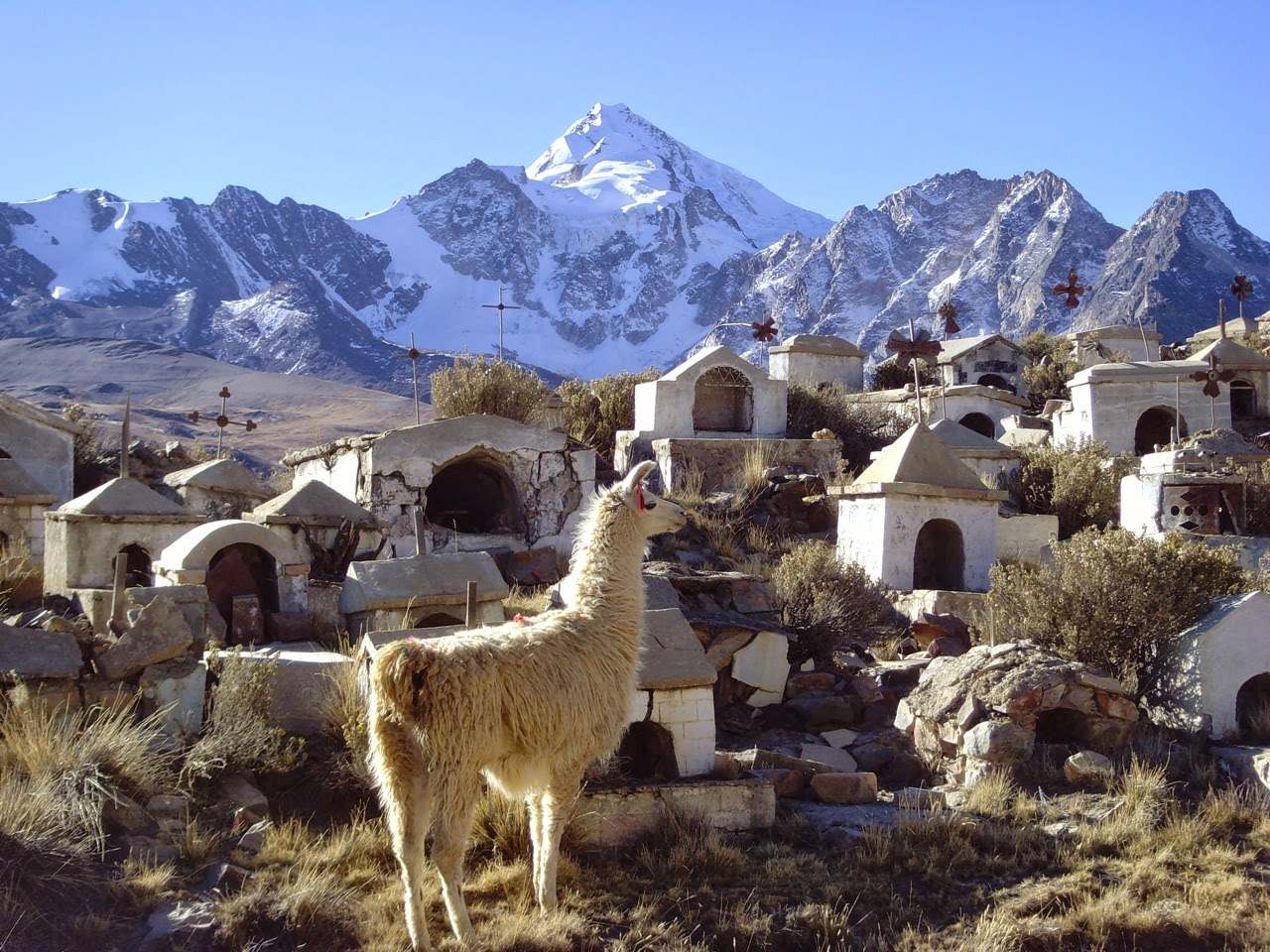
Bolivia is a land-locked country in the "heart" of South America. It's almost the same size as Egypt, or three times the state of Montana! There are five distinct types of geographical areas in Bolivia- Altiplano to the west, which is high, cold, and bordered by mountains; Las Yungas, a region of valleys; the central highlands, where much of the country's agricultural efforts are located; a subtropical plain called Gran Chaco, which is shared with Argentina and Paraguay; and the tropical, forested lowlands called the llanos. This area is particularly good for cattle ranching, as there are many grasslands and the climate is more suitable for livestock than the higher elevations. About half of Bolivia is covered with forests. One of the most well known geographical features of Bolivia are the Andes mountains, which run throughout the country from north to south. They rise to over 21,1000 feet above sea level, and everything above 16,000 feet is covered with snow. The country is also home to Lake Titicaca, which is the highest navigable body of water in the world- meaning, it's at a very high elevation (12,500 feet above sea level) and you can still paddle a boat around in there. Bolivia has two main seasons: summer runs from November to April, and is considered the rainy season. Winter is from June to September.


Population:

Bolivia is home to almost 11 million people. More than half of them are of indigenous ancestry. The largest groups of people with indigenous heritage are the Quechua, Aymara, Guaraní, Mojeño, Chimane, and other smaller groups. About 30% of the population are criollo, who are of mixed indigenous and European heritage. Quechua Indians live throughout the country, but the highest numbers are near Cochabamba and Sucre. The Aymara Indians mostly live in the Altiplano. The largest cities are La Paz and Santa Cruz, with about a million inhabitants each.


Language:

There are 37 official languages in Bolivia! The most common languages are Spanish, Quechua, and Aymara. Spanish is used by government officials, in the schools, in business, and is the native language of over half the population. Most Bolivians speak at least some Quechua. Indigenous groups each have their own languages, but the most common ones often have many Spanish words mixed in.


Religion:

There is no official state religion in Bolivia. The vast majority of the population identifies as Roman Catholic. There are also some indigenous belief systems, and the Protestant minority are active throughout the country. Bolivians living in the Altiplano region often mix their Aymaran and Quechuan traditions with Catholic beliefs. For example, practicing Catholics revere Pachamama, or the goddess Mother Earth, and they toast to her and bless things in her name. People may also offer blessings of material possessions or events in the names of Pachamama and Achachila, a god of the mountains. Some Bolivians honor Catholic traditions, such as Carnaval, by praying to these gods and Mary and other saints at the same time.


The People:

Unfortunately, there is a cultural divide between the upper classes in Bolivia and the indigenous groups. Sometimes indigenous people adopt Spanish names and change their traditional way of dress in order to assimilate to society and be more accepted. There are political movements driven by indigenous groups looking to ensure that benefits of the government are available to all people without requiring them to abandon their heritage and cultural traditions. 


Bolivians dress differently depending on where they live and their social class. Usually, urban Bolivians wear Western-style clothing. Wearing clean shoes is very important to Bolivians. Many women living in the Altiplano region wear a pollera, which is a full, colorful skirt with several embroidered underskirts. Rural women wear a pollera with a manta, or shawl. They also often wear their hair in braids under bowler derby hats, bonnets, or stovepipe-style hats, depending on their region. Some indigenous people make their clothing out of wool. These clothes are often red, black, and off-white. Native men may wear shin-length pants and a shirt wit ha thick belt. They often wear ponchos and hats, as well. 


Sometimes, Bolivians use body language rather than verbal language to communicate. For example, to beckon a child, one would wave your fingers with the palm down. If you extend your raised hand, palm outward and fingers extended, and twist it quickly from side to side, you are saying "no" or "there isn't any"- this gesture may be used by bus drivers to say that there isn't any more room in their vehicle. Avoiding eye contact when speaking to people indicates suspicion and lack of trust. When greeting someone in Bolivia, offering your hand for a handshake is expected. If your hand is wet or dirty, you may extend your arm or elbow instead. Bolivians enjoy visiting each other, whether the visit was arranged in advance or not. Urban visitors usually bring a small gift for their host, such as flowers. Hosts might also give gifts to their visitors, but the visitor should not open the gift during the visit. If you compliment your host on a meal while you are eating, expect a second helping! If you are feeling full, it is best to wait until after a meal to offer your compliments. 


Family: 

Family life is very important to Bolivians. On average, middle- and upper-class families usually have 1-2 children. Rural families have many children, but the infant mortality rate is rather high. Children in Bolivian families are well-disciplined and have many family responsibilities. The oldest daughter in a family is often called mamita (little mom) and are looked upon as second mothers to their younger siblings. Boys begin to help their fathers with farming as young as age 8, and are generally able to be self-sufficient by the time they're teenagers. Girls grow up learning to raise children and do domestic tasks like cooking and washing clothes. Children are taught that education is important, but among poor families, literacy rates are very low.


Living: 

Typical rural homes are made from local materials like adobe bricks, wooden boards, rocks and mud. The floor and walls are usually dirt, and roofs are often made of straw and wood. Families often sleep on the floor, using dried sheepskin and woven blankets for bedding. If a family owns a bed, they may all sleep in it. Families usually have free-standing kitchens, open on the sides and covered by a straw roof. Most rural homes have electricity, but the majority do not have indoor plumbing. Bolivians conserve water by using the same water for washing, watering plants, cooking, and laundry. In some communities, modern construction is becoming more common. Homes are being built with cement-covered walls, corrugated metal roofs, and tiled floors. Urban homes are likely to have running water, but many lack heating and air conditioning. Often, these homes are built with large windows or skylights to help warm the homes.


Because the children grow up quickly, learning the responsibilities of running a home and tending the fields, Bolivians often marry and start having children young. The average marrying age for a rural couple may be between 16 and 17. Friendship comes before dating for young Bolivian couples. In urban areas, dating starts around age 13. Teenagers who are dating like to take long walks around their town, whether as individual couples or as large groups. Some marriages are arranged in rural parts of Bolivia. These marriages are between their own children and the children of their friends, and the goal is to strengthen ties between friendly families. Couples usually wait until they have some financial security or own property to get married. Because weddings are expensive, rural families often choose common-law marriages rather than traditional marriages. Bolivians wear their wedding rings on their right hands, rather than the left. For a marriage to be legal, a civil ceremony must be performed. Most couples also have a religious ceremony, and that is often followed by a dance and reception. One fun wedding tradition for some Bolivians is to bring presents to the wedding reception. While the bride and groom are dancing, friends and family get close and pin money to their clothes. The day after the wedding, the couple opens the gifts. If the total of the gifts is an odd number, the person counting the gifts has to buy a gift for the couple that has not yet been given. Sometimes, friends and family may even take out a loan to buy gifts for newlyweds!


A mass wedding of over 300 couples in Bolivia


Food: 

Common staples of the Bolivian diet include potatoes, rice, fruits, and soups. Quinoa is grown in Bolivia and is used in many dishes. Starchy foods vary by region in the country. In the lowlands, yucca is most popular. Corn is prevalent in the valleys. Potatoes are eaten every day in the Altiplano. Bolivia has hundreds of varieties of potatoes, and they are eaten many different ways! Chuños are freeze dried and used in soups or side dishes after being dehydrated. Many Bolivian dishes are seasoned with a spicy salsa called llajua. Chicken is the most common meat. Southern Bolivians eat a lot of beef, and they enjoy having barbecues. A common Bolivian breakfast includes coffee or tea, bread, and sometimes cheese. In rural areas, a hot drink called api is sometimes served with breakfast. It's made of corn spiced with sugar and cinnamon. Lunch is the main meal and usually includes soup and a main dish. Bolivian families prefer to eat their meals together. They usually have one large and two small meals every day. Rural families might eat four small meals. Everyone, including guests, is expected to clear their plates. By not eating all the food on your plate, you are essentially telling the cook that the food was not good. People eat meat with utensils rather than your hands. Diners are expected to stay at the table until everyone is finished eating.


Api is a drink made from purple corn! 


Recreation:

Futbol is the national sport. Children will use almost anything for a ball, including rocks and crumpled paper. Volleyball, basketball, and indoor soccer are also fairly popular. Leisure activities include watching television in urban areas. Bolivians also enjoy visiting with friends and attending festivals. The center of town, or the plaza, is considered the main spot for recreation. Some cities have arcades with electronic games. Home internet service is terribly expensive throughout the country, so internet cafes are popular in urban areas. There is a cafe every block in downtown areas of cities! Movie theaters are also popular in bigger cities like Santa Cruz, Cochabamba and La Paz. During vacation times, many Bolivians travel to holy places or visit relatives in other parts of the country. 

Many of Bolivia's cultural traditions have roots in ancient, pre-Inca civilizations. Bolivian textiles have changed very little from these ancient roots, and they use the same dyes and patterns that have been used for centuries. Since colonial times, silver and gold have been used to adorn architecture, jewelry, and other beautiful objects. Basket weaving and wood carving are also popular in some rural regions. Music is very important to Bolivian culture. There are three types of Bolivian music: the fast, happy rhythms in the east; slow, melancholic rhythms from the Andes, and happy, romantic rhythms from the central valleys. Many people are able to recognize music as being Bolivian by the instruments: panpipes (zampoña), vertical flutes, percussion instruments, and the charango, which is like a guitar made from an armadillo shell. 


Holidays: 

Most Bolivian holidays have fixed dates, but are often moved to the day closest to the weekend. The three most important holidays are Independence Day, Carnaval, and Holy Week before Easter. Bolivians also celebrate New Year's Day, Sea Day (Dia del Mar, in March), Father's Day, Labor Day, Mother's Day, All Saint's Day and Christmas. On Christmas Eve, some children place old shoes in the windows for Papa Noel to take in exchange for gifts. Children also receive gifts on Three Kings Day in January.


A Carnaval celebration in Bolivia


Health: 

Sanitation facilities in Bolivia are poor, which leads to contaminated water. Water issues lead to cholera, hepatitis, yellow fever, malaria, and other serious conditions. Tap water must be boiled before using, but wood and gasoline are scarce and expensive. Many rural areas have neither running water nor electricity. Local nurses and doctors have been working to train community healthcare workers in basic skills. This leads to increased health awareness and more help to assist the rural population. Infant mortality is high, and only about half the population has adequate access to medical care. Traditional medicine is still used in many rural regions.


Education:

Schooling is compulsory for Bolivian children aged 5 to 18. There are four educational levels: kindergarten, primary school, secondary school, and higher education. School conditions are poor. Most schools are public, but wealthy families may send their children to parochial or private schools. Less than half of all Bolivian children complete secondary education. Bolivian families are responsible for buying their own univorms and school supplies. Recent educational reform requires that schools teach both Spanish and indigenous languages. Illiteracy is declining, but it is still a major problem for the country due to strikes, long distances to travel to school, and familial responsibilities. Technology is rarely used in Bolivian classrooms, and teachers use traditional methods with blackboards and workbooks. The workbooks are expected to be kept clean and updated. If a student passes all the exams and knows the subject very well, he may fail the year if he doesn't turn in an updated workbook. Students in their final year of secondary school might attend classes at the same time as serving in the military. Entrance exams are required at Bolivia's university. There is a public university in every Bolivian state. Higher education usually lasts 5 years. Postgraduate courses are available, but most students do not pursue them.


Bible Verse: 

"Taita Diosca cai pachapi causajcunata yallitaj c'uyashpami, Paipaj shujlla Churita curca. Pipish Paita crijca ama chingarichun, ashtahuanpish huiñai causaita charichunmi Paita curca." Juan 3:16 (Quechua, via Bible Gateway)


From Compassion's website: 

"Compassion's work in Bolivia began in 1975. Currently, more than 66,500 children participate in more than 200 child development centers. Compassion partners with churches to help them provide Bolivian children with the opportunity to rise above their circumstances and become all God has created them to be."

There are many children in Bolivia who are waiting for sponsors! Here are just a few. 


David is 1 year old and his birthday is April 8. 


Eddyt is 7 years old and her birthday is April 6.


Heber is 18 years old and his birthday is January 15. He is giving a thumbs up! 


Tuesday, June 11, 2013

Country Profile: Peru

I hope you like my profile on Peru!


The Peruvian coat of arms includes a vicuña, which is a relative of the alpaca.


The Land: 

Peru occupies 496,225 square miles of the western part of South America. It is about twice the size of the US state of Texas. Only about 3% of the land is suitable for farming. Most of the population lives in the western part of the country. Peru is divided into three distinct regions: the narrow, dry coastal plain in the west, the tropical lowlands of the Amazon River basin in the east, and the high Andes mountains in the middle. The Andes rise to elevations of 22,000 feet in some parts. Forests cover more than half the country. Peru has a wide variety of plants and animals, from desert wildlife to tropical rainforests. Peru is home to many interesting and diverse animals, such as tapirs, jaguars, alpacas, and monkeys. Mild earthquakes are common in Peru. Larger, more destructive earthquakes take place less frequently. Peru and Bolivia share the highest navigable body of water in the world- Lake Titicaca. Winter along the coast is foggy, humid, and cool, but the coastal areas generally see little rainfall. Temperatures around Peru vary significantly, because of the changes in elevation and other factors. Lima, the country's capital city, stays temperate through most of the year, averaging about 65 degrees. 


Some horses chilling in front of the beautiful Andes mountains


One of my favorite animals- the majestic tapir. The babies have stripey patterns to help them hide from predators. The only natural enemy of adults is the jaguar, which jumps down on them from the trees. The tapir's defense is then to run, plowing down trees and vegetation on its way. Most of the natural pathways through the forests are made by tapirs!


Population: 

Almost 30 million people live in Peru. The population is growing by about 1% annually. Peru has an ethnically diverse population. There are many groups of indigenous people in Peru; most of them live in the forest areas. Language and culture among the different groups is diverse. Almost half of the population is made up of people with indigenous heritage. Another 37% is people of mixed indigenous and European heritage. Fifteen percent of the population is of European heritage, and the last few percent are descendants of African slaves and other groups, such as Asian immigrants. A little more than a fourth of the population is younger than 15. Lima is the largest city. Over 8 million people live there! More than three-fourths of the population live in urban areas. Fun fact: people who live in the jungle areas are often referred to as charapas. That's a type of turtle commonly found in the area. 


Peruvian women in the Andes


Language:

Three languages are officially recognized in Peru: Spanish, Quechua, and Aymara. The last two are indigenous languages. Many Peruvians speak Spanish and an indigenous language. About 40 different indigenous languages are spoken in the Amazon alone, and almost 30% of the people don't speak any Spanish. Quechua was the language of the Incan empire. We get some of our words from Quechua, including condor, guano, puma, and llama. Aymara is spoken by about 300,000 Peruvians. Most of them live in the southern part of the country. Peruvians who have a more formal education may learn English as a second or third language. 


Religion: 


The Roman Catholic Church was the state church in Peru until 1979. Today there is freedom of religion and all churches enjoy equal political status, but about 81 percent of Peruvians are still Roman Catholic and the church continues to play a significant role in their lives. There are also Protestant and Evangelical churches in Peru. Many indigenous peoples who are Catholic mix traditional beliefs with Christian values, sometimes calling indigenous gods by Christian names.


A church in Colca Canyon, Peru


The People:

Peruvians are strong-willed and often nationalistic. They are fiercely proud of their country. They have faced many challenges, both political and economic, but they maintain a strong desire to endure and succeed. The people have a good sense of humor and are accommodating, helpful, and eager to please. However, they may be sensitive about certain things. Jokes about their lifestyle, especially from foreigners, are offensive. Personal criticism, if necessary, is expected to be expressed in a positive manner. The Peruvian concept of time is more relaxed than in industrialized nations. Peruvians generally consider people to be more important than schedules. Social events such as parties rarely start on time, though people tend to be more punctual for appointments and other business meetings. Sadly, indigenous people are sometimes discriminated against by Peru's mestizo and European populations. Indigenous people usually live in rural areas, but even those who move to the city and adopt an urban lifestyle are not often accepted. This has fueled great resentment and is one source of the country's social problems. Afro-Peruvians also face discrimination and often exclusively fill menial jobs such as hotel doormen and funeral pallbearers. Some exclusive clubs in Lima deny membership to indigenous people and Afro-Peruvians. 

Western-style clothing is worn in Lima and other urban areas. People dress up when going to public places. Women of all economic classes and ages take pride in their appearances and most wear jewelry and makeup. It is considered bad taste to leave home wearing old or dirty clothes. Suits and ties are standard for professional men, while women wear business suits or other Western styles. Some high-end modern wear is influenced by indigenous styles, colors, and designs.Younger generations tend to dress more casually, wearing jeans, T-shirts, jerseys from their favorite sports teams, and other athletic gear after school and on weekends. Students at both public and private schools are nearly always required to wear school uniforms, which may consist of slacks or shorts for boys, skirts or shorts for girls, and short-sleeved shirts and sweaters for both. Rural campesinos (peasants) who live in remote areas wear traditional outfits related to their ethnic background. Their clothes are often made of handwoven, brightly colored fabrics. A traditional outfit for women might include buckled leather shoes, a sweater, and several colorful skirts worn in layers. Men wear dark-colored pants and shoes with a light-colored short-sleeved shirt. Traditionally, men dress in white linen suits for special occasions. In jungle regions, informality is common. Hats are a significant component of rural dress. Along the coast, wide brimmed hats are popular among ranchers, cowboys, and others who work outdoors. In mountainous regions near Bolivia, women wear colorful embroidered hats or bowler hats adorned with feathers or other items. Peru is also home to the chullo, a hat made from wool that has earflaps and ties under the chin. Chullos often bear images of llamas or other animals native to Peru. Peru is a major producer of textiles made from llama and alpaca fur. Clothing made from alpaca textiles especially are known for their warmth and comfort; they are available everywhere—from street vendors to upscale fashion boutiques. A friend from church gave me a pair of alpaca socks after I had surgery and they are amazingly, toasty warm! I love them!


A Peruvian family wearing traditional, colorful clothing


When being introduced or meeting for the first time, members of the opposite sex usually shake hands. Women (and close friends of the opposite sex) commonly kiss each other on one cheek when meeting and parting. Men usually shake hands or pat each other on the shoulder. An arm around the shoulders or a pat on the back is a polite way to greet young people. Typical greetings include Buenos días (Good morning), Buenas tardes (Good afternoon), and Buenas noches (Good evening/night). Friends address each other by first name. Older people are addressed as Señor (Mr.) or Señora (Mrs.), followed by their last name, or—among those who are familiar with them—Don and Doña, without their last name. Women and girls often are addressed by strangers as Señorita (Miss). Peruvians are often animated and use a lot of hand gestures while conversing. One beckons by holding the palm of the hand downward and waving all of the fingers. People stand very close to each other when they talk, often lightly touching the arm or shoulder of the person with whom they are speaking. Hugs among friends are common. Constant eye contact is important. On buses, men usually give their seats to women or elderly persons.

Peruvians enjoy visiting one another. Most visits between friends and relatives are unannounced. However, when one visits other people, it is polite to make advance arrangements. Visitors are expected to feel at home and be comfortable. The traditional greeting Está en su casa (You are in your house) reflects Peruvian hospitality. Hosts always offer their guests drinks (water, juice, soda, etc.) and may offer other refreshments, but declining them is not impolite. Though the practice is declining, it was once common for hosts to invite people visiting around 5:30 p.m. to stay for lonche, a light breakfast-type meal served around 6 p.m. Hosts appreciate special acknowledgment of children in the home. It is polite to show concern for the health of the hosts' family and relatives. When visiting a home, one is not expected to bring gifts, but small gifts such as fruit or wine are welcome on any occasion. Dinner guests commonly bring such gifts.


Family:

Urban Peruvian families have an average of three children, while four or five is common among rural ones. Extended families frequently live together or near each other. Not only do single adult children often live with their parents, but newly married couples may do the same until they can afford a place of their own. Even then, such couples may not move far, as many parents build another floor onto their houses for subsequent generations. Most Peruvians have relationships with even distant relatives (such as great-aunts or uncles and third cousins). A common weekend pastime is for families to gather and spend most of the day cooking, eating, and socializing. Children are expected to begin helping with household chores around age eight. Girls typically wash dishes and help in the kitchen, while boys take out the garbage and do more physically demanding chores. Grown children typically care for their aging parents; retirement homes are very rare. The father is considered the head of the family. Because the mother usually spends most of her time at home, she is in charge of the children and their day-to-day activities. The father usually is consulted only for important matters. The mother is also responsible for caring for the household. However, many middle- and upper-class women hire housekeepers and nannies. Women who fill these positions have usually moved to cities to escape the harsh conditions of rural life. They often leave family and sometimes their own young children behind, only to end up working six days a week for extremely low wages. Though they are part of the formal economy, these women enjoy few employment rights. In response to the abundance of domestic help, Peruvian houses and apartments of all sizes are now built with servants’ quarters. Women in rural areas cook, clean, and care for children in addition to working alongside men in tasks related to farming, construction, and animal tending. Both men and women must carry goods to market over long distances, often without shoes. Women in urban areas  occasionally work outside of the home, and over 40 percent of the labor force is female. Women work as teachers, doctors, lawyers, accountants, and business owners. They also hold many positions in government: over 20 percent of Peruvian legislators are women. However, in general, traditional attitudes stop the promotion of women into senior levels in many occupations. Many women work informally as sidewalk vendors, selling vegetables, clothes, prepared foods, and pirated forms of media. 


Peruvian children help their parents by caring for livestock


Living:

Peru's diverse regions and climates are home to a variety of dwellings, from modern housing complexes in metropolitan Lima to ancient ruins incorporated into more modern structures in Cuzco to thatched huts in remote jungle regions. Apartments made of brick and concrete are the most common form of urban housing. Wood is very seldom used as a building material due to the high cost of transporting it across the Andes. Upscale apartment buildings offer balconies and windows with nice views. Government subsidized apartments, located in large buildings, are available to low-income families. Many city dwellers live in brick houses with large windows; these houses tend to be in close proximity to others, with little room for a yard. Instead, houses share a nearby recreational area, which typically includes a patio, a lawn, and a barbeque area. Most homes have open living rooms that are used for entertaining rather than relaxing; instead of featuring televisions, they are usually filled with large tables able to accommodate groups of guests. The exterior walls of most houses are painted in pastel colors, and the floors are usually made out of tile or hardwood, though dirt floors are standard among the poor. Few rural homes have access to electricity and most cooking is done over an open fire. In urban homes, family portraits—especially of ancestors—are often displayed on cream- or pastel-colored walls. Religious figures are a common form of decoration. Traditional interiors featuring Spanish colonial styles are still popular. Upscale apartments may feature local art in addition to fine furnishings. Rural homes are furnished simply. In jungle regions, hammocks and mosquito netting are common. Central heating and air conditioning are rare in Peruvian houses. It is common for more than one nuclear family to live in the same house. Often, a married child will live with a spouse and children on the second floor of the parental home. In some cases, families rent out their spare rooms. A lot of people, including many professionals, cannot afford to buy their own houses, so they live in these rooms or, if they are somewhat better off, in apartments. Families who build their own homes will often not do so all at once. Construction is expensive, so many people build in stages. Very poor families live in shantytowns, where houses—most of them made out of adobe—tend to be much less expensive. Adobe structures do not hold up well during earthquakes, which are common in Peru.


A row of homes in Peru


Young people meet at school or parties, and men are usually the ones to initiate dates. Young men begin dating around age 16 or 17 and girls at 15, though some families do not allow their daughters to date until graduating from high school. Young people in urban areas get together on weekends to go to parks, movies, dinner, and friends’ houses. They also enjoy dancing at fiestas (parties) and other social gatherings. Dating is exclusive: people do not date more than one person at the same time. Only after a couple breaks up are they allowed to date others. Entering into a romantic relationship is considered a serious step. Men usually marry in their late twenties, while women generally marry in their early twenties. People in rural areas often marry at younger ages. Typically, a man asks a woman’s father for permission to marry her before proposing. Couples are often engaged for a year, in part because it can take that long to secure an available date at a church. A church ceremony follows a civil ceremony. From the church, the wedding party moves to a restaurant, private residence, or reception hall to celebrate. Following a one- or two-course meal, guests dance to music provided by a live band or disc jockey. Gifts received by newlyweds often include household items and appliances. The party generally lasts until the early morning hours. Poor couples may take part in group weddings, in which multiple couples are married in a church at the same time. Common-law marriages are prevalent in urban areas and represent another cheaper alternative to traditional church weddings. Couples must live together for at least two years before being eligible to go before a judge and have their relationship recognized as a common-law marriage, which grants them all the rights and obligations of a formal marriage. They are widely accepted, except among the upper classes. Divorce is quite common in Peru, and because of this, there are not as many social stigmas associated with divorce as in other countries. 


A happy newlywed couple


According to superstition, a pregnant woman should give in to her antojos (cravings) so she won't lose her baby. Though no longer an accepted belief, this tradition is still largely followed. Friends and family of a pregnant woman typically throw her a baby shower, which both men and women attend. Once the baby is born, those close to the parents visit, bringing small gifts and flowers. Sometimes multiple sons will all carry their father’s first name, with different middle names (for example, three brothers may be named Luis Miguel, Luis Santiago, and Luis Angel). Only the oldest girl may be named after her mother. Babies are also named after Catholic saints or movie stars or other celebrities. Anglicized versions of names are common (Ronald instead of Ronaldo), as are names reflecting Peru’s multicultural heritage. Babies born to Catholic families are baptized and christened within three months of birth. A party is held afterward for family and friends. Those in attendance receive small cards featuring the child’s name and date of christening, which they pin to their clothing. It is customary for the godmother to provide the baby’s baptism clothes and for the godfather to give the baby a gift of gold, usually a gold bracelet featuring the baby’s name. As a signal of generosity and abundance, godfathers typically throw handfuls of coins onto the ground for children to collect. Godparents remain important throughout a child’s life, visiting on birthdays and other special occasions.

By tradition, girls enter adulthood on their quinceañera (fifteenth birthday). The quinceañera is celebrated throughout Peruvian society, regardless of a family’s economic standing. The event is an all-night formal party, which friends and family attend. The birthday girl wears a dress chosen after much consideration. She begins the party by entering the room with her father, passing through a line of girls and boys on each side. She collects a flower from each boy and blows out a candle from each girl. A large meal is served, and guests dance between each course. The girl dances, typically a waltz, with her father and with other male relatives throughout the night. Peruvian children legally become adults at age 18, when they are allowed to drive, drink alcohol, and vote. Most 18-year-olds are eager to receive their National Identity Document, which is carried always and is needed for business and legal transactions. 


Food:

Main staples in the Peruvian diet include potatoes, rice, chicken, fish, beans, and a variety of tropical fruits. Corn, which is native to Peru, is a staple among the indigenous people. Guinea pigs are eaten throughout the country and are raised in nearly all rural homes and some urban ones. Ceviche (raw fish marinated in lemon juice and seasoned with garlic and shredded onion) is popular on the coast. Papa a la Huancaina is a cooled, sliced baked potato topped with sliced eggs and a sauce (such as hot chili). Highland dishes often include potatoes, onions, and garlic. In jungle regions, game and fish make up an important part of people’s diets. Fresh vegetables are eaten in season. People purchase most food on a daily basis, either in small corner stores (in cities) or large open-air markets. 

Peruvians eat breakfast between 7 and 10 a.m. It normally includes coffee, tea, or fruit juice, accompanied by cold cuts on buttered rolls. Lunch, consumed between 12:30 and 2:30 p.m., is a large meal consisting of a light first course, like soup, and a main course, often stew and rice. Peruvians often make enough food in the afternoon for both lunch and dinner. Dinner is usually eaten between 8 and 10 p.m.

Peruvians eat in the continental style, with the fork in the left hand and the knife in the right. They keep both hands (but not elbows) above the table at all times. Proper table manners are very important. It is impolite to converse with only one person at the table without including the rest of the group. If this occurs, Peruvians will often repeat the saying Secretos en reunión es mala educación (It is bad manners to tell secrets in gatherings). Guests are expected to eat all of the food that is offered; excuses for not eating something are to be given tactfully. 


A Peruvian meal may include stew and rice


Recreation: 

The most popular sport in Peru is fútbol (soccer). Boys begin playing as young as age five (a soccer ball is a common gift in early childhood) and continue into their adult lives. Peruvians enthusiastically follow World Cup competitions, especially when their national team is participating. Some boys play basketball and tennis. Among girls and women, gymnastics and volleyball are favorites. The national women’s volleyball team is competitive on the world stage, and many of its games are broadcast on television. In Lima, tennis is gaining popularity in wealthier neighborhoods that can support public and private tennis courts. Skateboarding is increasingly popular among young people in the capital. Peru has a long coastline, and in coastal areas, water-related recreation is popular. This includes surfing, swimming, and other beach fun. Those visiting or living in the mountains may enjoy hiking. Dancing is probably the second most popular form of recreation in Peru (after soccer.) Most schools have dance teams whose members compete in traditional and modern styles. People also enjoy dancing during their free time. During weekends, clubs and dance halls are filled with individuals of all ages, dancing to a variety of music. Families enjoy picnics, and movies, plays, and concerts provide entertainment. Sunday is a favorite day for outings, and families enjoy going to zoos and water parks. Pool halls are found in most neighborhoods, and board games are popular. Watching television and surfing the internet are common recreational activities. Most people vacation during July and December, when students are on vacation from school. By law, working adults get a month of vacation time. Many people stay home, where they watch television and entertain friends. Urban inhabitants may travel on vacation to rural areas and rural inhabitants to urban ones. Wealthier families rent beach houses during the summer, and the wealthiest travel overseas.

Music is an important part of life for almost all Peruvians. Traditional songs are often about Peru, Peruvian culture, people's feelings, or animals. Three instruments used to play traditional Andean music are the charango, a small guitar of sorts; the antara, an assortment of vertically placed flutes tied together; and the quena, which is similar to a recorder. Two types of music and dance from the mountains are baile de las tijeras (dance of the scissors) and huayno. Most cities have their own dances. The zamacueca is an athletic dance that is performed in Lima by those of African descent to the rhythm of a traditional drum, the cajón.


A Peruvian man playing the antara


Holidays:

Peru's national holidays include New Year's Day, Easter (Thursday–Sunday), Countryman's Day (June 24), St. Peter and St. Paul's Day (June 29), Independence Day (July 28), National Day (July 29 ), St. Rose of Lima Day (August 30), Navy Day (October 8), All Saints' Day (November 1), Immaculate Conception (December 8), and Christmas. Many local holidays honor patron saints or celebrate the harvest, as well as provide recreational opportunities. For Easter, people get two days off of school or work. Some choose to vacation during this time, but most choose to celebrate the holiday at home with their families, who generally share a meal together. Peruvians eagerly await Independence Day, which also marks the beginning of winter holidays for schoolchildren. Depending on the school, the winter holiday may last between one and four weeks. On July 28, students across the country perform in school galas, taking part in traditional song and dance numbers they have practiced throughout the year. The holiday is also celebrated with fireworks and bands at the local plaza de armas (town plaza). Businesses may close for these celebrations. Christmas is the most popular holiday in Peru. Houses in many neighborhoods are adorned with lights and decorations featuring Santa Claus, reindeer, and elves. Families gather on Christmas Eve for a late dinner—sometimes as late as midnight—and then exchange presents. Kids may shoot off fireworks after opening their gifts. Christmas Day may be celebrated with a trip to the beach among those who live near the coast.

Health: 

Medical care is fairly adequate in Peru's major cities, but it is less developed in other areas. Quality care is available only through expensive private clinics. Hospitals, especially those outside of Lima, are often short on medicine, food, and other supplies and equipment. Many Peruvians are superstitious about health care and are reluctant to use medical facilities. They prefer using home remedies made of herbs and roots before going to a doctor. Many people also rely on the treatments of a curandero/a (native healer). Care in small towns is often unreliable or altogether unavailable. Diseases such as typhoid, yellow fever, cholera, Chagas’ disease, and malaria are active in Peru. Water is not always safe to drink. Much of the population suffers from malnutrition, and women and children are particularly affected. 


Education:

Peruvians take education very seriously. Public education is free and compulsory between ages seven and sixteen. However, many schools lack basic materials, and facilities are inadequate. Though Peru has increased efforts to extend primary schooling into remote areas, educational resources in rural areas are still severely lacking. Families with financial means send their children to private schools, which are generally Catholic. In Lima, a number of private international schools provide education in English, Italian, German, Chinese, and French. More than 75 percent of eligible children are enrolled in secondary schools. Enrollment in both primary and secondary schools is increasing. More young people are staying in school than did in the past. The literacy rate is higher among teenagers than adults. Math, language, literature, and history make up the core subjects in Peruvian schools. Students typically do a couple of hours of homework each evening. Peru has more than 30 universities. Major public universities include the Scientific University of the South, the Technological University of Peru, and the University of San Marcos in Lima, one of the oldest in South America. These and other public institutions offer virtually free education in a variety of professional fields. Tuition at private universities, such as Pontific Catholic University and the University of Lima, is charged on a scale that corresponds with students’ income levels. In theory, this system allows people at all levels of society to attend, but in reality the majority of students at these schools come from the middle and upper classes. Some scholarships are available. 


Students in Peru often wear uniforms


Books To Read:

Peru by Lisa Owings
The Changing Face of Peru by Don Harrison


Bible Verse: 

"Taita Diosca cai pachapi causajcunata yallitaj c'uyashpami, Paipaj shujlla Churita curca. Pipish Paita crijca ama chingarichun, ashtahuanpish huiñai causaita charichunmi Paita curca."  Juan 3: 16 (Quechua)


From Compassion's Website: 

"Compassion's work in Peru began in 1985. Currently, more than 48,700 children participate in more than 220 child development centers. Compassion partners with churches and denominations to help them provide Peruvian children with the opportunity to rise above their circumstances and become all God has created them to be."

There are plenty of children in Peru who need sponsors! Here are just a few: 


Nestor is 4 years old. His birthday is January 20. He likes playing with cars and hide and seek. To read more about Nestor, click here


Quesli is 5 years old. Her birthday is July 5. She likes playing house, art, and playing with dolls. To read more about Quesli, click here


Wilmer is 12 years old. His birthday is October 3. He likes soccer, art, and running. To read more about Wilmer, click here


Stephany is 10 years old. Her birthday is October 20. She likes art and playing with dolls. To read more about Stephany, click here.


All information came from CultureGrams. It's an excellent resource if you have access to it!